
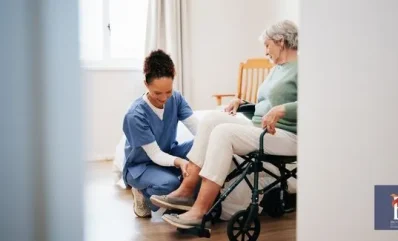
You place your trust in nursing homes to provide attentive care for your family member. Elder neglect can occur when a facility fails to properly meet a resident’s needs. By knowing the signs of nursing home neglect in Virginia facilities, you and your family can catch signs of neglect early and prevent nursing home abuse of your loved one.
Understanding Nursing Home Neglect
Nursing home neglect refers to a caregiver’s or a facility’s failure to provide the minimum amount of care needed to secure a resident’s health and well-being. Nursing home neglect is different from abuse because caretakers are not willfully trying to harm residents. Neglect can happen when a caregiver does not do something they should have done.
Like abuse, nursing home neglect can cause serious injury, exacerbate medical issues, and decrease an elder’s quality of life. However, Virginia families are protected under the Virginia Adult Protective Services Act. Nursing homes that take Medicare or Medicaid patients must adhere to the Federal Nursing Home Reform Act, which sets the minimum requirements for treating residents while in the care of a facility.
Physical Signs of Nursing Home Neglect
The Kaiser Family Foundation reported there were a total of 1,241,727 nursing home residents throughout the United States, 28,544 of those being in Virginia in 2025. There were also 290 total nursing home facilities registered in Virginia that year. Sadly, some of these residents suffer from nursing home neglect while in these facilities.
Warning signs of nursing home neglect are often physical. Many health issues naturally progress as time goes on, and your loved one’s condition may decline because of pre-existing medical issues. If you notice multiple warning signs or have concerns about your loved one’s care, reach out to your loved one’s caregiver or doctor for clarification. Some common physical signs include:
- Bedsores
- Unexplained injuries
- Weight loss
- Poor hygiene
- Dehydration
- Falls
- Dirty clothes
- New medical diagnoses
- Bruises
Just because your loved one experiences one of these issues does not mean they are being neglected. However, you should pay attention if you notice something. An important factor is that many of these warning signs occur with little to no explanation.
Emotional and Behavioral Changes
Nursing home neglect can take a toll on your loved one’s mental health as well. It is common for adults to become depressed or emotionally withdrawn when their needs go unmet. They may also feel lonely or helpless if they are unable to get the nursing home staff’s attention.
You may notice your loved one suddenly becomes nervous, scared, depressed, or quiet when you visit. Some residents may stop participating in activities they used to enjoy. Others may refuse to speak when nursing home employees are around. Your loved one may also begin to seem confused if the facility forgets to give them their medications or fails to treat medical conditions.
Behavioral changes can indicate many things. Try to get more information if your loved one suddenly acts differently or you notice the change continues over time.
Environmental Warning Signs
The state of a nursing home itself can offer clues about how your relative is being cared for. When you visit your loved one, take note of their room and the common areas throughout the building.
Dirty bathrooms, foul smells, overflowing garbage, broken fixtures or appliances, inadequate lighting, pest infestations, unanswered call lights, or residents who seem to be left unattended for long periods of time can be red flags. If the facility always looks dirty or unkempt, it could be a sign that there are not enough staff members to help care for the residents.
Hire a Nursing Home Neglect Lawyer With Local Experience in Virginia
Some families choose to hire a nursing home neglect lawyer when they believe the facility provided negligent care that caused harm to their loved one. A Virginia nursing home neglect attorney can investigate what happened by reviewing medical records, obtaining documentation from the nursing home, interviewing witnesses, preserving evidence, and consulting with medical professionals.
If your case does not settle, your lawyer can prepare your claim for litigation. Many nursing home neglect cases in Richmond are handled in Chesterfield County Circuit Court, 9500 Courthouse Road, Chesterfield, VA 23832.
Why Choose Brooks & Baez?
Brooks & Baez advocates for injured individuals and families all over Virginia. Our attorneys strive to maintain clear and open communication, prepare every case thoroughly, and treat our clients with compassion.
Brooks & Baez has experience handling complicated personal injury claims and knows how distressing it can be when you suspect your loved one has been neglected. We are proud to offer legal services in both English and Spanish to help more families in Virginia understand their rights and options.
FAQs
Is Nursing Home Neglect Always a Crime?
No, nursing home neglect is not always a crime. Some cases result in civil liability, while others may result in criminal liability. Other cases fall under both categories. Negligent care that causes harm may result in civil claims, but egregious or intentional conduct that causes harm, such as assault, can result in criminal charges.
What Rights Do Nursing Home Patients Have?
In general, residents have the right to receive visitors and to correspond with relatives and friends. Visitor rights are usually subject to reasonable health and safety regulations. Visitors can play an important role in maintaining a resident’s social life. In addition, visitors may be able to detect problems or changes in a resident’s health, behavior, or general well-being.
What Should I Ask During a Visit if I Have Concerns About My Loved One’s Care?
Ask about details since your last visit, such as what medical treatments your loved one has received, if medications have changed, what they have been eating and drinking, if they have needed assistance walking, and if any incidents have occurred. You can also inquire about any updates to care plans or upcoming doctor’s visits. Writing things down allows you to monitor the details and notice any trends or contradictions.
Can Repeated Hospitalizations Indicate Possible Nursing Home Neglect?
Repeated or avoidable hospital admissions can be an indication that a resident’s medical conditions are not being properly managed within the home. While many residents develop conditions that may require hospitalization, frequent hospitalizations for things like dehydration, infection, and falls should trigger further investigation into the care the resident was receiving.
Speak With an Attorney With Experience Handling Nursing Home Neglect Cases in Virginia
If you believe your loved one experienced nursing home neglect, you don’t have to handle this alone. Brooks & Baez can help. Contact us to learn more.



 ES
ES